
What does it mean to be e digital citizen?
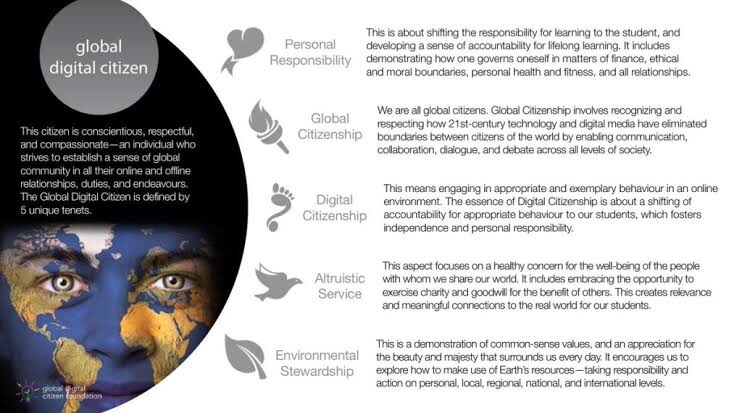
Being a digital citizen entails using technology responsibly and following online etiquette. This involves actions and reactions to others inside a digital community in which one participates. Digital citizen’s means to have digital access, an equal digital rights and electronic access. A digital commerce, communication, digital literacy, etiquette, digital law, rights & responsibilities, digital health and wellness, and security. The concept of digital citizens represents the awareness that a person’s online identity, including habits and behaviors, has an impact on forums, platforms, services, social networks, and their users. The notion is used to teach individuals how to utilize technology and the internet properly to prevent any harmful effects if usage is being abused or if it is not use properly.
How can you observe social, ethical, and legal responsibilities in the use of technology tools and resources?
Observing social and ethical and legal responsibilities in the use of technology tools and resources, we have to know proper etiquette and manners when using it. We as a future educator we should give demonstrations and proper guidance to our students in learning how to use technology ethically like respecting user’s privacy and observe respectful languages especially giving them much preparation for the cyber bullying and copyright issues. We have three main essential knowledge of information in the discussion of the social, ethical and legal responsibilities in the use of technology tools and resources. First is the citizenship in the digital age. Teaching digital citizenship is essential to help students achieve and understand digital literacy as well as ensuring cyber bullying prevention, online safety, digital responsibility and digital health and wellness. Second we have the intellectual property rights. These are the rights given to the persons over creations of their minds. They usually give the creator an exclusive right over the use of her/his creation. Third is netizenship and netiquette. As a responsible netizenship we are all expected to support healthy interactions on the internet. A netiquette or the rules of social accepted behavior online to have be observed in writing an email, in texting and in other communication on the web. Other responsibility in the use of technology tools and resources is the computer appropriate use where it must support the existing curriculum, does not dictate teaching method and does not overpower. Next is the acceptable use policy where teacher educates copyright law, equal access for all, connect to teaching learning and explain online responsibilities. Other than that is the ethical and legal us of technology, the reliability and authenticity of websites and obligations of having limited access of specific website.
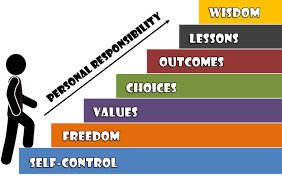

 Global Digital Citizenship